Gather: Mobile App 0-> 1
mOBILE APP · CORE PRODUCT
Overview
Beginning in 2020, users are joining Gather for work and meetings because they miss interacting socially with their colleagues in the casual way they could at the office. They want to connect in a way that feels more natural than Zoom. Gather users want to feel like they’re working in their office, digitally, but there are some things preventing them from doing so...
ROLE
Interaction & Product design 50%
Team management 50%
TIMELINE
2023
Context & background
The current state of affairs: diving into the growing 20%
Why now?
Understanding the Shining beacon
A growing market
Remote Work presents a sizable revenue opportunity as it drives recurring revenue that scales with growth. Remote Work makes up 20% of revenue, up from 15% in 2021, and we’ve more than tripled MRR since the beginning of 2022.
…with recurring hiccups
While these early signs are extremely promising, we were still seeing high rates of churn and there are plenty of people who are understandably still questioning if this is a worthy investment for their company.
An industry standard slipping through the cracks
It's important people do not feel tethered to their desk when they are using Gather for work (as this is one of the major benefits of remote work). At a minimum, people should be able to confidently join and participate in meetings on the go, send and receive chat messages from their phone, and ensure they can still be represented as fully available for a spontaneous conversation even if away from their laptop if they so choose.
FEATURE AUDIT
Dissecting the web app 🔍
Legacy web app
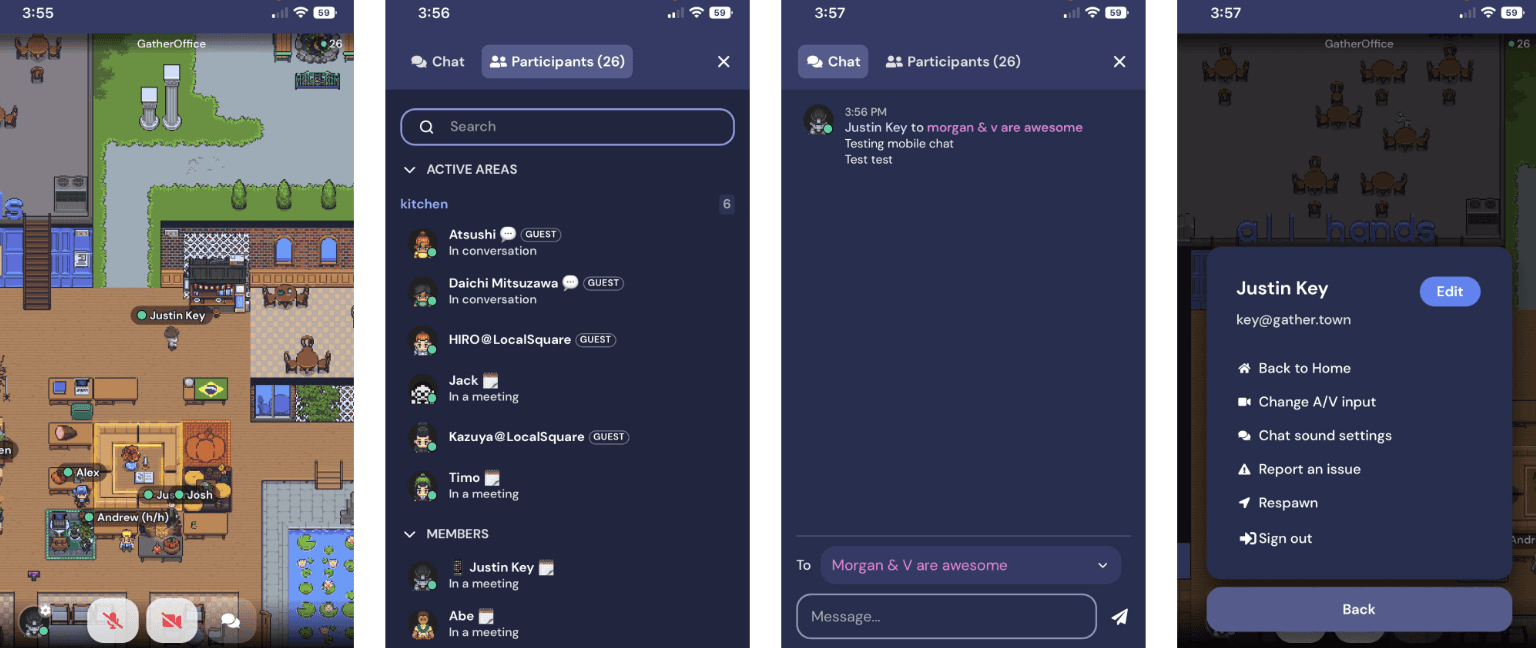
In Q3 of 2020, the engineering team and the smaller designer team (before my time) embarked on presenting a mobile web-app.
While most functions were designed around the standard web app, the interaction design itself was untouched and not considered for mobile sizing, interaction patterns limitations and opportunities
What wasn’t working?
Clunky interactions
Walking about a space, interactiong with objects and bumping into co-workers (essentialy, the aboslutely core value propositon of gather) was previously created without really mapping touch interaction spaces. Expected reactions and properly introducing these brand new features.
Coming short to industry standards
Alternatives to Gather and other video-chat applications such as Zoom and Meet offered a complete productivity suite mobile experience. Our niche was not that of productivity, but we couldn't offer subpar experiences to those that had been set as standards.
Tapping into our niche
Although our niche was not a productivity tool, but rather a connection tool. We fell short in the original experience - video calls simply didn't have the
Design Foundations
Setting up a scalable design system 💬
Adapting from web to mobile
Various aspects of design were considered for the mobile app adaptation. We realized that the need to have walking capabilities beyond meetings, really impacted our users. An initial app (outlined below) launched that resulted in an unpopular opinion. Meaning that an MVP approach was right for the architecture, but we needed to provide full capability to provide value
Audio and touch guidelines
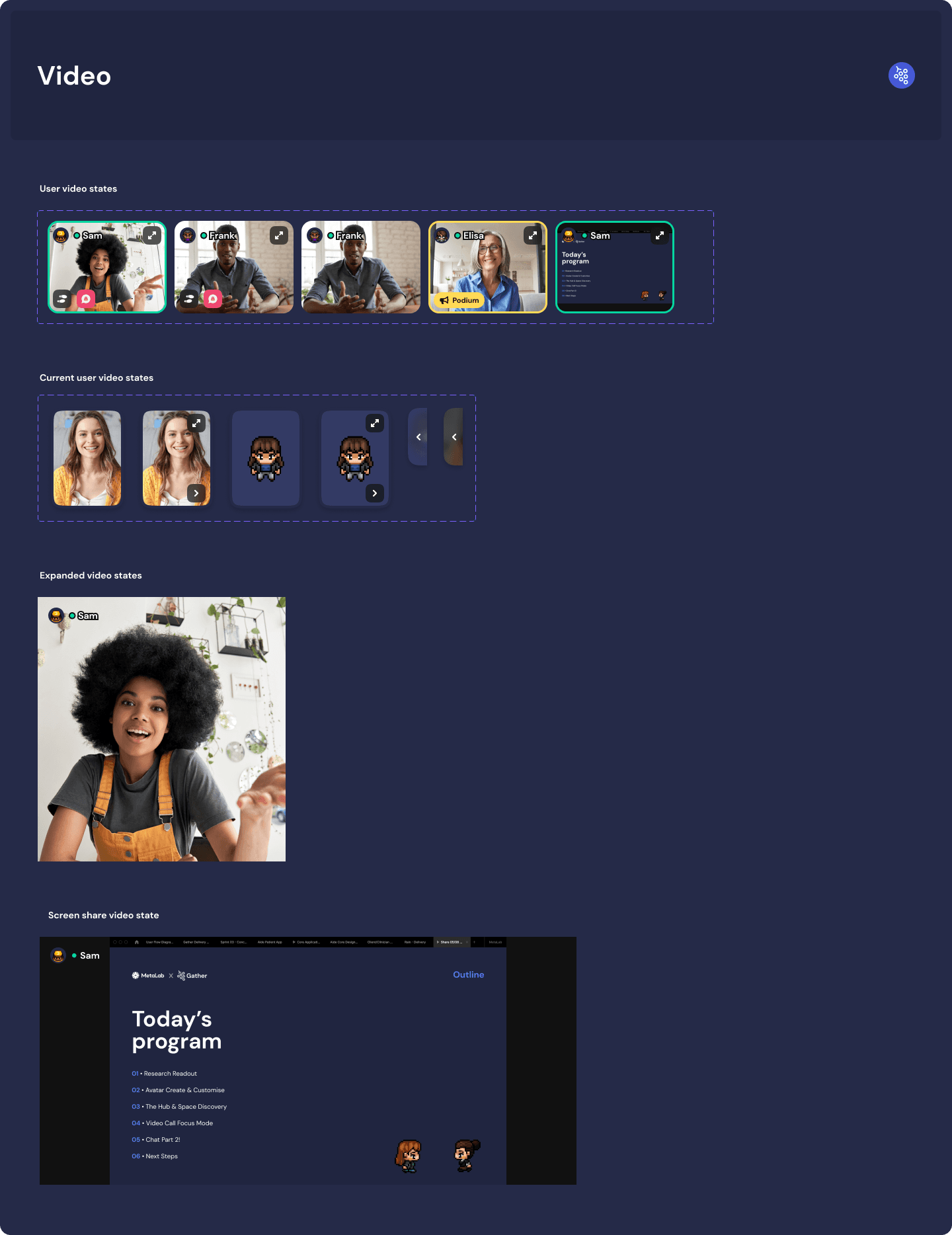
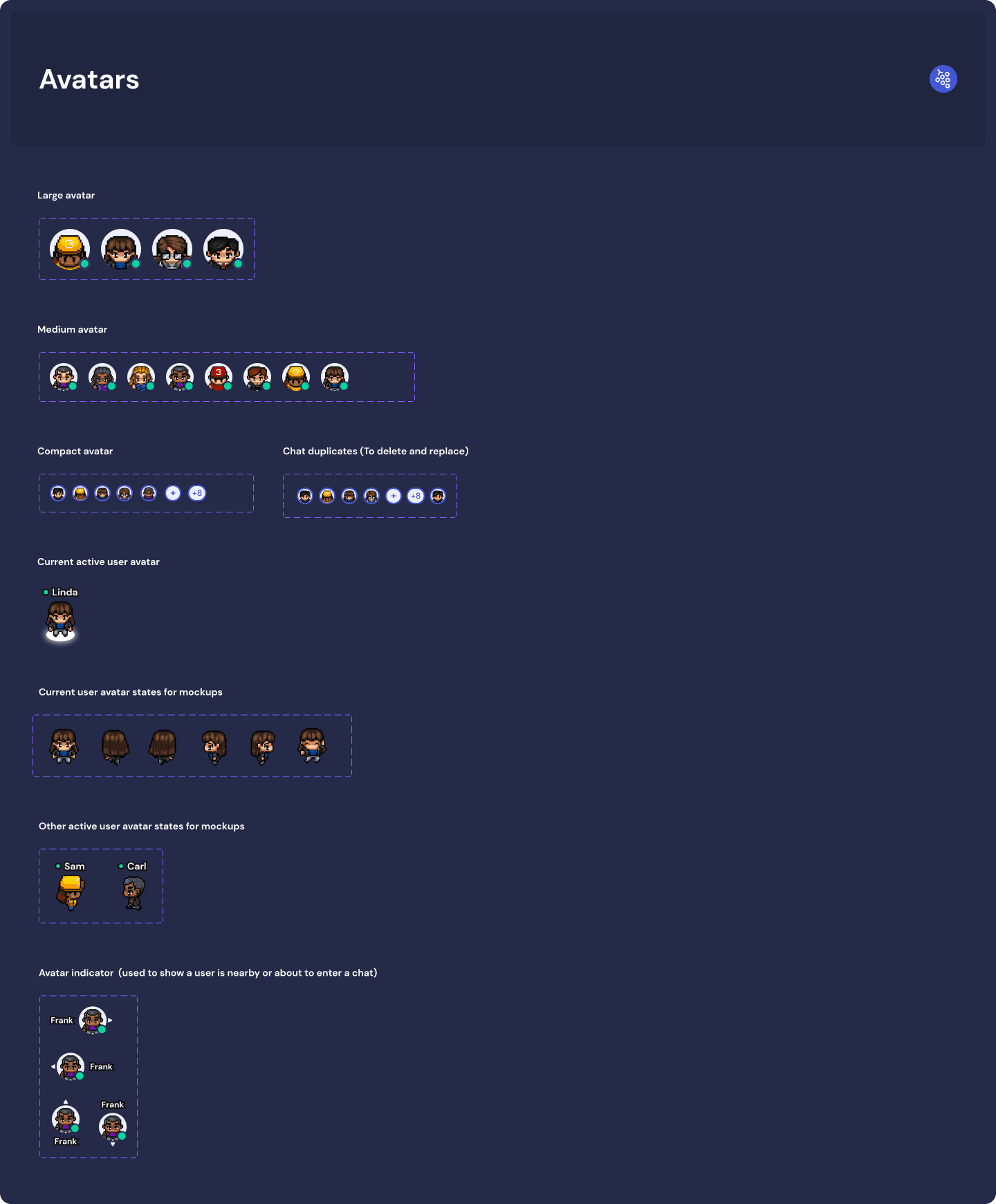
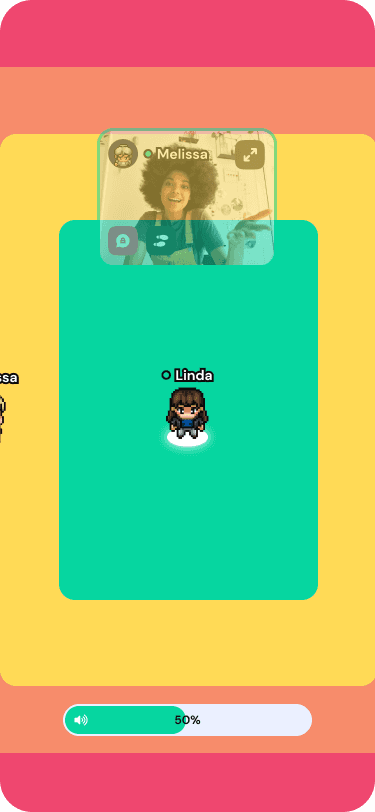
When designing user experiences for audio and video in spatial audio virtual spaces, we focused on key aspects like enhancing realism with ambient sounds, the audio increase and decrease depending on distance, creating private zones for isolated conversations, and ensuring users were aware of when they were recorded or heard.
Design System Example
Interaction Guidelines Example
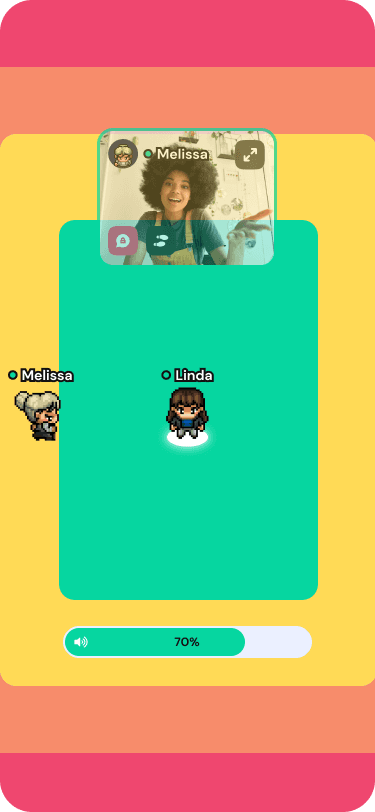
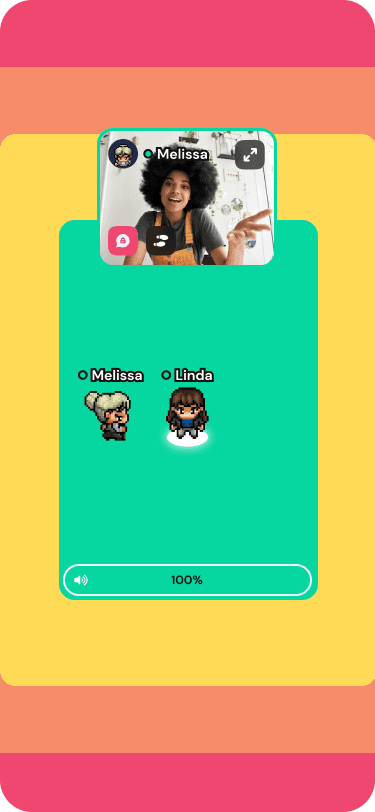
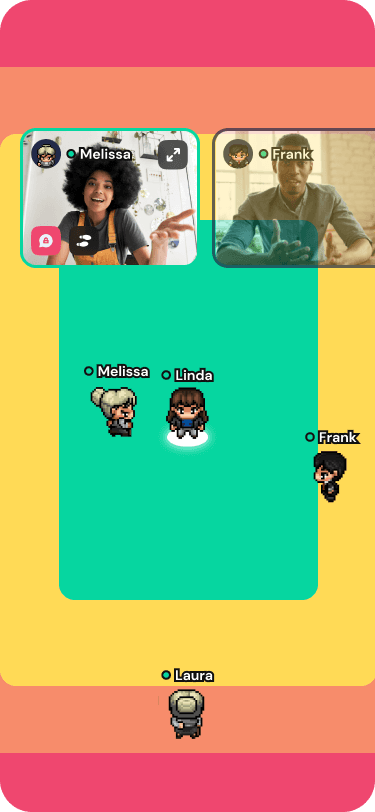
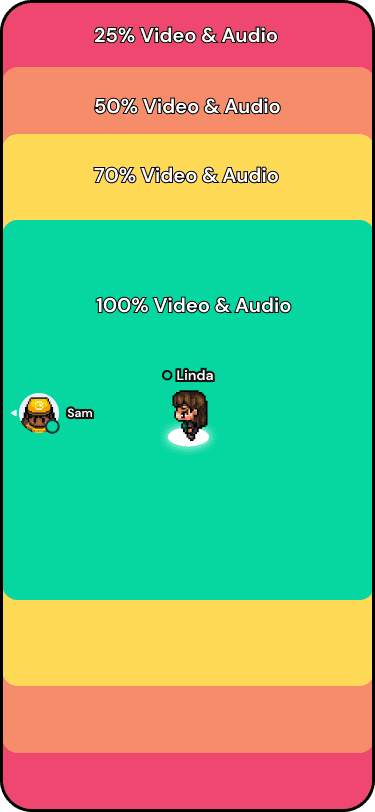
Design Foundations
Delivering with intention and strategic planning
A phased approach:
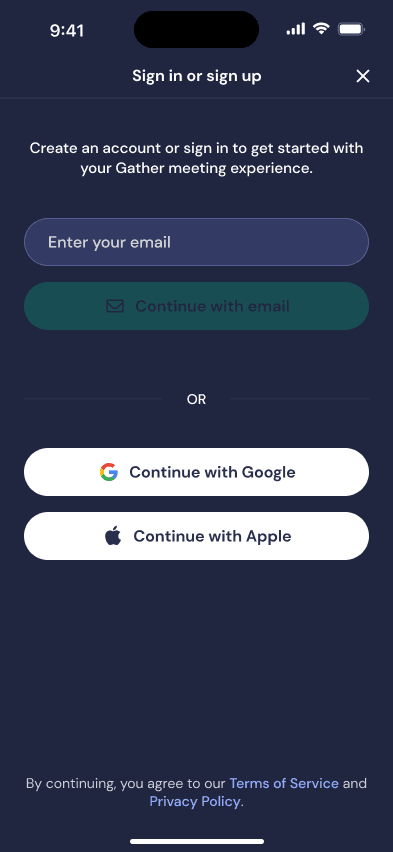
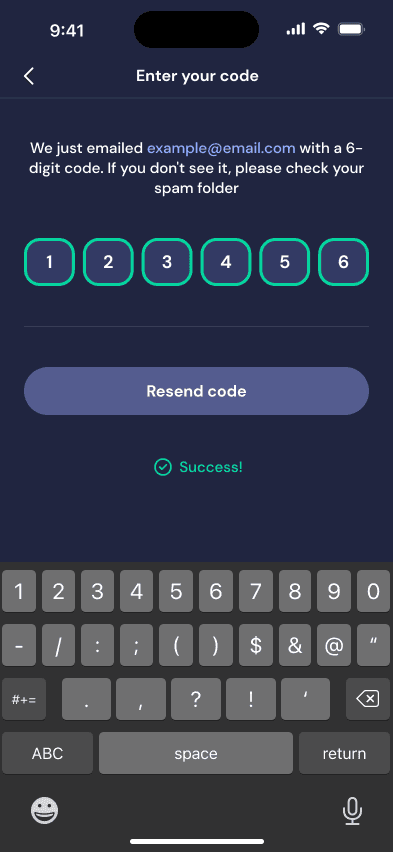
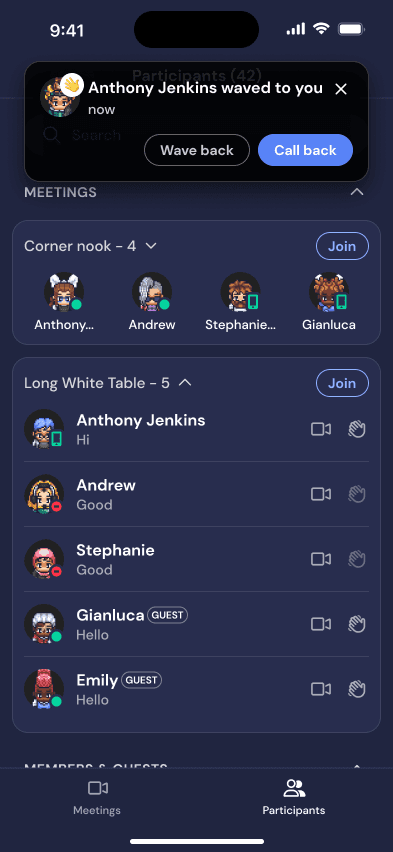
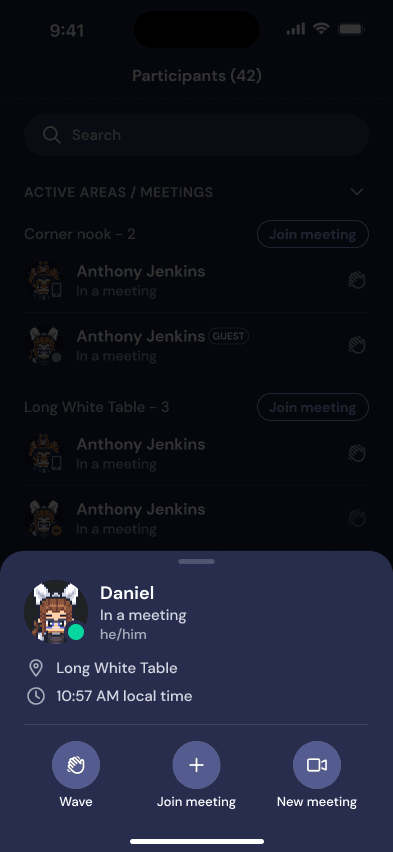
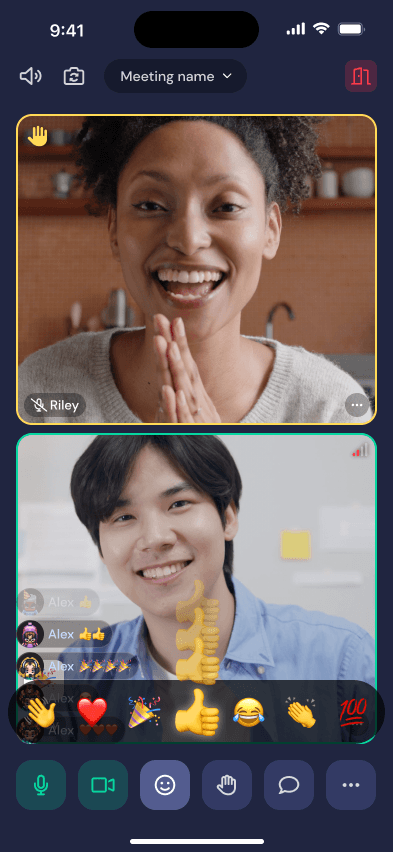
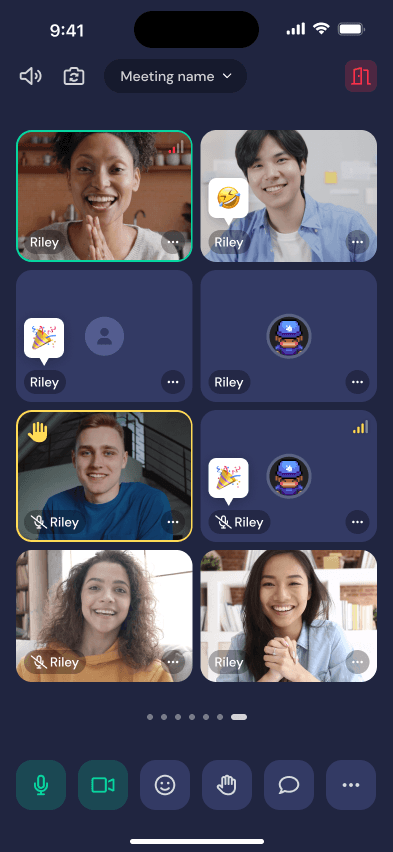
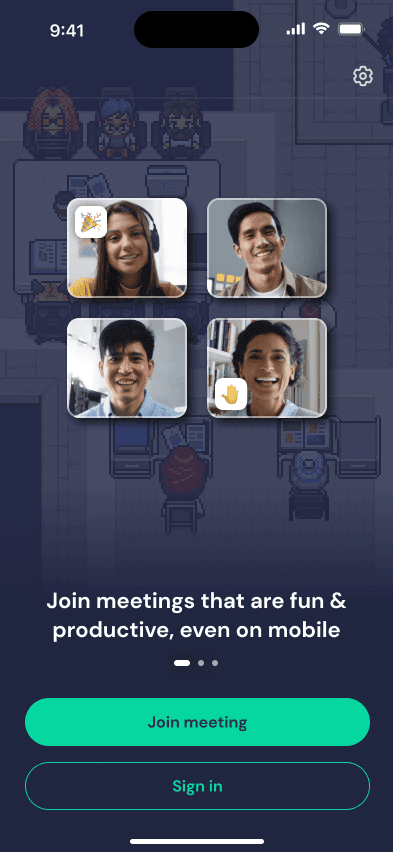
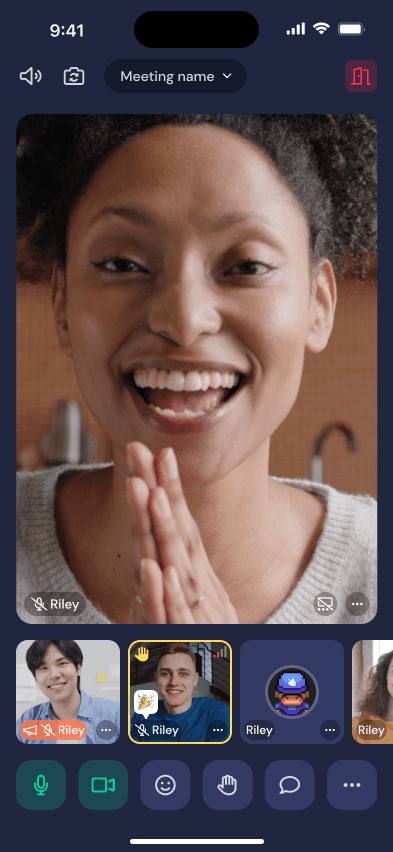
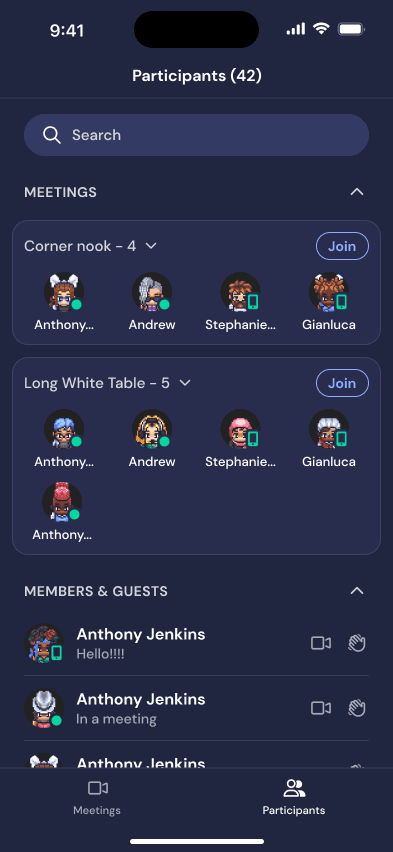
The v1.0 experience of the Gather Mobile App foccused on the meeting experience while on-the-go, making it easy to seamlessly create, join, and actively participate in Gather meetings through a native mobile experience. Customer feedback and our ever-evolving feature set within Gather revealed that this MVP version (below) was too minimal – we expected as such, as so the foundation was built to introduce the north-star in later quarters.
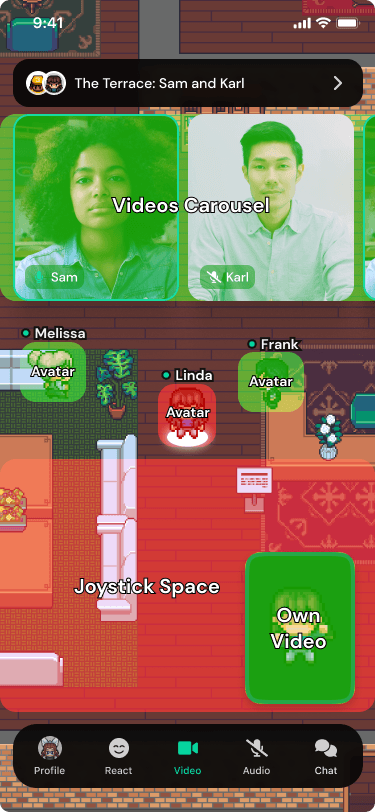
Later in 2024-2025 we will launch v2.0 of the Gather Mobile App with the aim to make the mobile CX more interactive by extending the ability to interact with the user’s Gather office via the map/avatar, including serendipitous ‘walk-up’ interactions outside of planned meetings, along with advanced Chat capabilities (e.g., groups and channels), Virtual Backgrounds, and other filters, and effects.
V1
Gather APP
The concept car
Interactive and serendipity
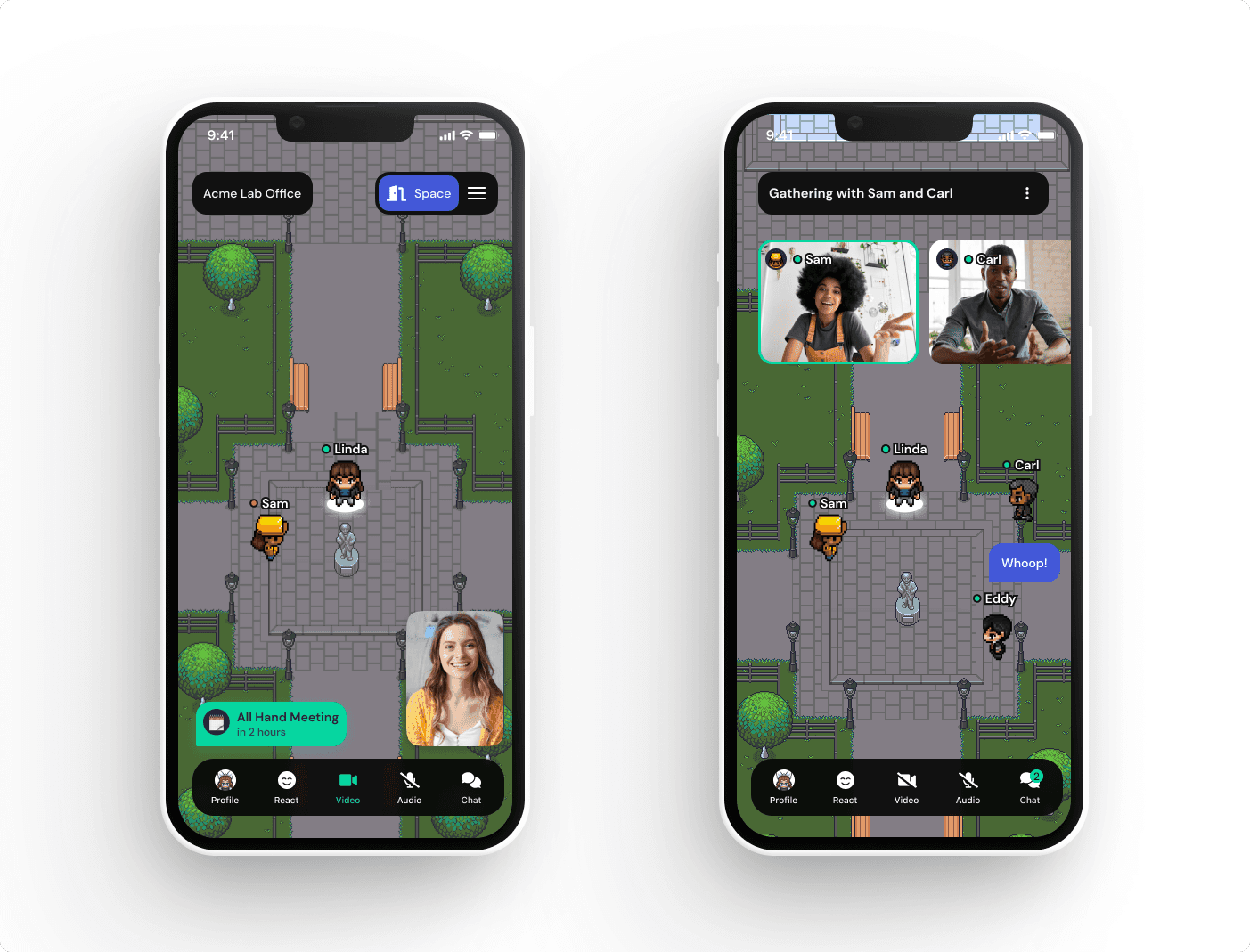
Gather's core value is the ability to enter and exit conversations with ease, thereby creating happenstance, indicating when events are happening, or another person is joining a conversation takes centre stage on the camera and view of the experience.
The ‘North Star’ (long-term) vision is for the Mobile App to become an indispensable part of the Gather experience by helping customers connect to their Gather communities no matter where they are in the physical world. We envision unique mobile-only experiences that encourage customers to stay connected to the virtual world through both planned and serendipitous interactions. Movement, interaction and connection via video is within the long-term plan of the app. However, these goals required engineering resources that we did not have at the moment. We paused the North Star, but continued onto an MVP that captured the core value prop which most are familiar with at the moment: meetings. Nevertheless, the concept car for this project remains as the vision to achieve within the next year (2024-2025)
Meeting and controls as part of core
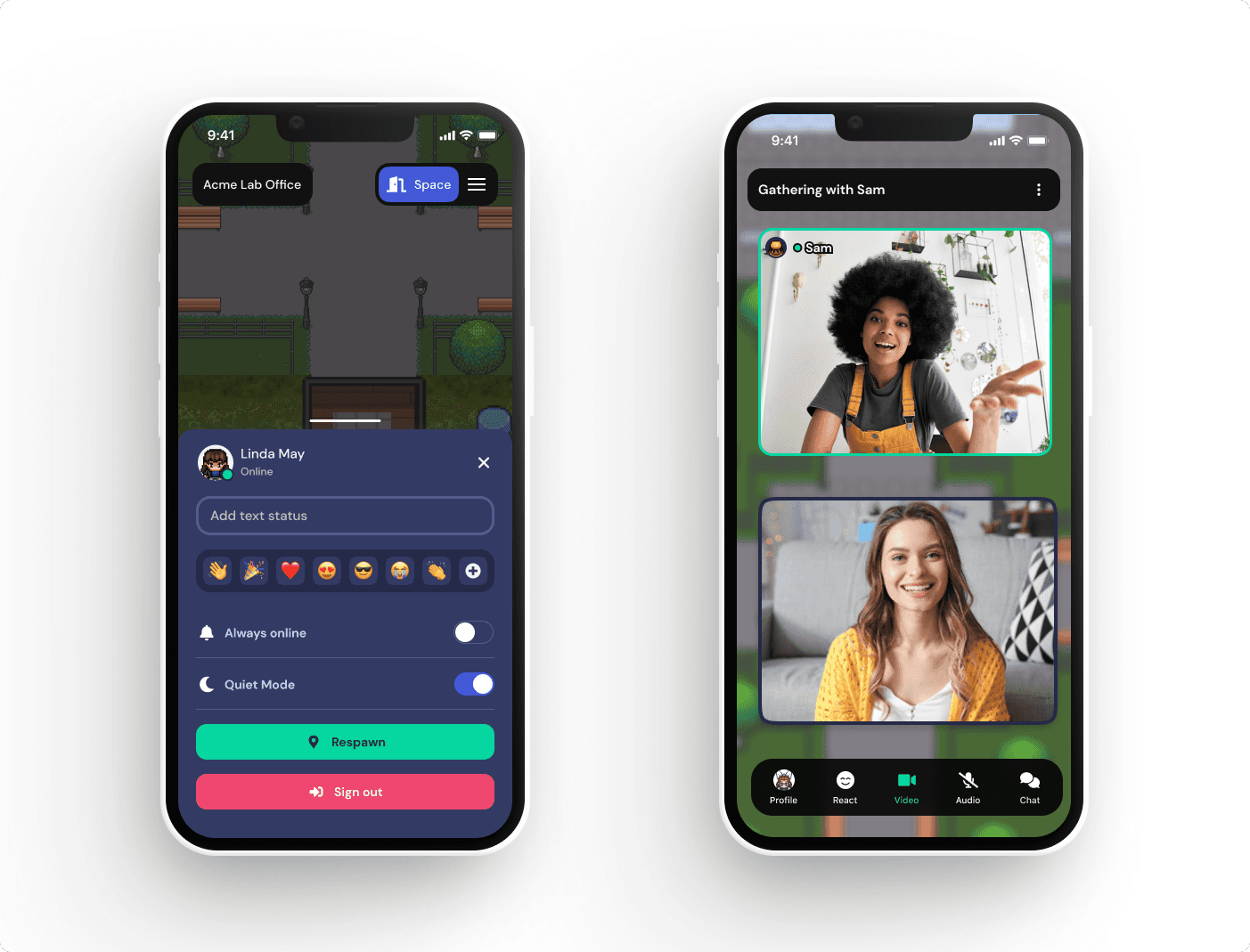
Within previous projects, our team researched how important emoji reactions were. These reactions take centre stage in both the core map experience, and as part of the self-controls. Other aspects such as setting status, turning on do not disturb are basic parts of Gather experience that allow privacy, while giving a sense of presence.
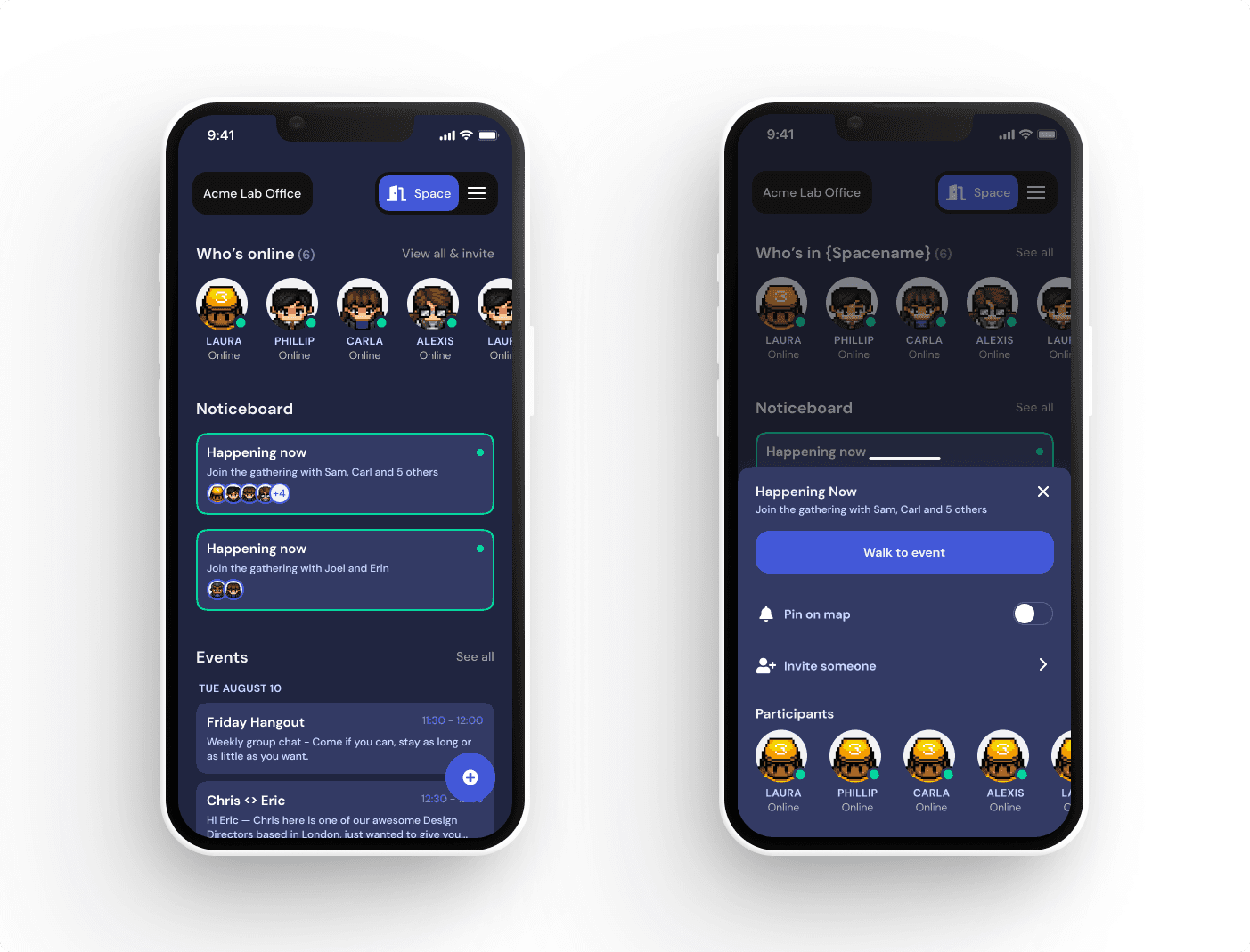
Presence driven by group visibility
Within the Gather web experience, we are able to zoom in and out to see who is in a space at a given time. This experience could also be brought into the mobile application. Considerations for map visibility were thought of; however, being able to schedule meetings or quickly hop to a space to join another proved to be more beneficial when speaking with customers.
© 2024 Laura Cisneros